Exploring the psychology behind winning strategies in casinos
The Role of Psychology in Gambling
Understanding the psychology behind gambling is crucial for both players and casino operators. Players often seek thrills and excitement, which can lead them to make decisions driven by emotion rather than logic. This emotional engagement can cloud judgment, making it easy for players to rationalize losses or believe in the likelihood of winning. Casinos leverage this psychological aspect by creating environments that enhance excitement, such as vibrant lights, enticing sounds, and continuous action. These elements are designed to stimulate emotional responses, encouraging players to engage longer and invest more. In addition, players might find appealing promotions like a non gamstop casino no deposit bonus, which adds another layer of attraction to their experience.
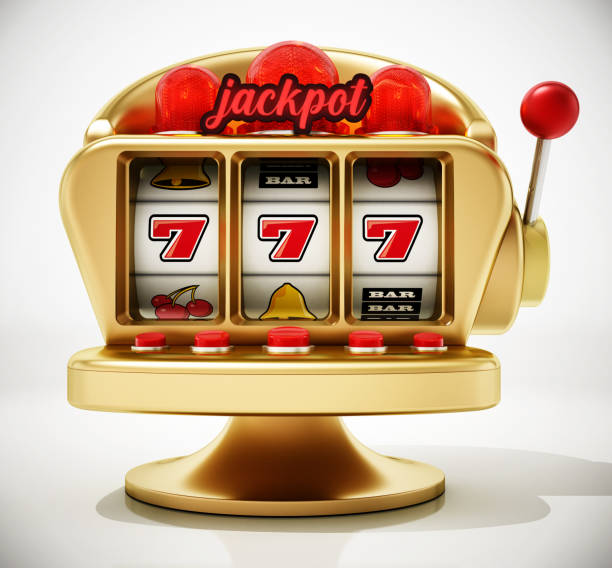
Moreover, psychological phenomena such as the “gambler’s fallacy” significantly influence player behavior. This fallacy is the belief that past outcomes can predict future events in a game of chance. For instance, a player might assume that after a series of losses, a win is due. This kind of thinking can lead to increased betting and higher risks, often resulting in greater losses.
The Influence of Environment on Betting Behavior
The casino environment plays a significant role in shaping player behavior and decision-making processes. Design elements, such as layout, lighting, and even scent, are carefully curated to create a stimulating atmosphere. Research shows that players tend to stay longer in environments that are designed to minimize the perception of time, such as lack of windows and clocks. This can lead to extended play and increased spending as players become immersed in the casino experience.
Additionally, the social aspect of casinos cannot be overlooked. Many players are influenced by observing others, leading to herd behavior. Seeing fellow players win can create a sense of FOMO (fear of missing out), compelling individuals to increase their bets or try their luck on different games. This dynamic can be both uplifting and detrimental, as it can lead to impulsive decisions based purely on the emotions of the moment rather than a well-thought-out strategy.
Adopting Winning Strategies: Skill vs. Luck
In the world of casinos, the tension between skill and luck is ever-present. While games like poker and blackjack offer opportunities for strategic play and skill development, others, such as slots, are purely chance-based. Understanding this distinction can help players formulate a more effective approach to their gambling habits. Players who recognize the elements of skill involved in certain games are more likely to invest time in improving their strategies, thereby enhancing their chances of winning over the long term.
However, the allure of luck in gambling continues to be a powerful draw. Many players are attracted to games with a high potential payout, regardless of the odds. This behavior showcases a blend of optimism and risk-taking that can lead to significant financial consequences. Balancing skill-based strategies with an understanding of luck can provide a more rounded approach to gambling, potentially increasing the likelihood of success.
The Importance of Self-Control and Bankroll Management
Self-control is an essential element of successful gambling. Players must learn to set boundaries for themselves, including limits on time spent and money wagered. Effective bankroll management is critical; players should only gamble with money they can afford to lose. This discipline can help mitigate the risks associated with gambling while fostering a healthier relationship with the activity. By establishing clear limits and sticking to them, players can enjoy the thrill of the game without falling into the trap of excessive gambling.
Additionally, developing a routine or strategy can provide players with a sense of control and purpose, further enhancing their overall experience. Whether it’s setting a win goal or designating a specific amount to gamble with, these practices can help maintain self-regulation. Understanding when to walk away after a win or a loss is key to sustaining a positive gambling experience.

Finding Support and Resources for Gamblers
For those navigating the complexities of gambling, support and resources are vital for maintaining a healthy approach. Various organizations and platforms offer guidance to help individuals understand their relationship with gambling and develop healthier habits. Educational resources that explore the psychological aspects of gambling can empower players, providing them with the insights needed to make informed decisions.
Furthermore, connecting with communities or support groups can offer valuable emotional support and accountability. Engaging with others who have similar experiences promotes a sense of belonging and understanding, which can be especially helpful for those struggling with the challenges associated with gambling. By seeking knowledge and community support, individuals can better manage their gambling behaviors, leading to more enjoyable and responsible experiences.